
Choosing swim lessons in Dallas-Fort Worth can feel like a big decision, especially if you’re a first-time swim parent. Families have plenty of options, from dedicated swim schools and recreation centers to private instructors and seasonal programs.
So how do you know which one is right for your child? You want a program that teaches meaningful skills, prioritizes water safety, and gives your child a positive experience in the pool. You also need a schedule your family can realistically maintain.
1. Start With the Instructors
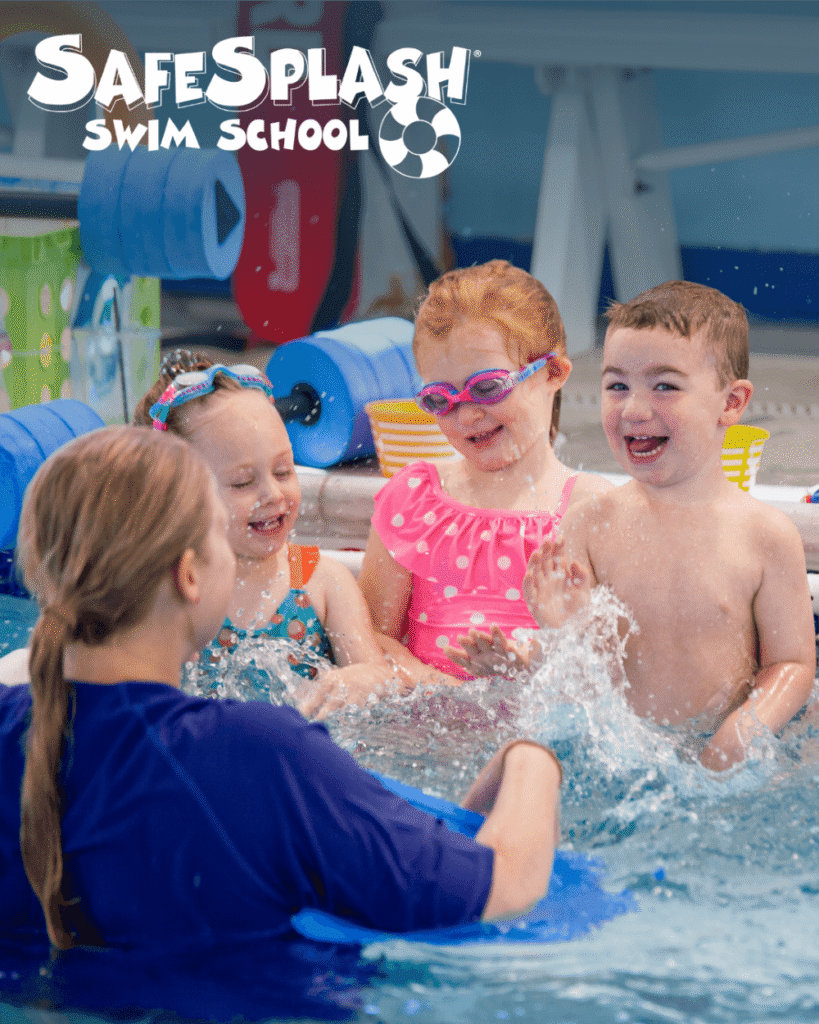
The instructor can make a big difference in how a child experiences swim lessons. Look for instructors who are patient, encouraging, and comfortable working with children at different skill levels. A good instructor should explain skills in a way children understand, provide helpful feedback, and recognize when a swimmer needs more practice.
It is also worth asking how instructors are trained and supported. If you can observe a class before enrolling, watch how the instructor interacts with the children. Are swimmers engaged? Do they receive frequent feedback? Are they spending most of the lesson practicing? When a child hesitates at the steps, notice whether the instructor gives them a smaller first step to try.
2. Find the Right Class Format
When comparing swim schools, ask how many children share an instructor and how much time each child spends practicing. Group lessons can give children opportunities to learn alongside peers, watch other swimmers demonstrate skills, and practice together. Private lessons offer more individual attention and may be a good fit for swimmers who need focused instruction or have specific goals.
Here are four questions to ask each swim school.
- How many swimmers are typically in a class?
- How are children grouped by ability?
- How does the instructor keep swimmers engaged while another child takes a turn?
- What happens when children in the same class progress at different rates?
The right choice depends on your child’s age, personality, comfort level, current skills, and goals.
3. Consider the Pool Environment
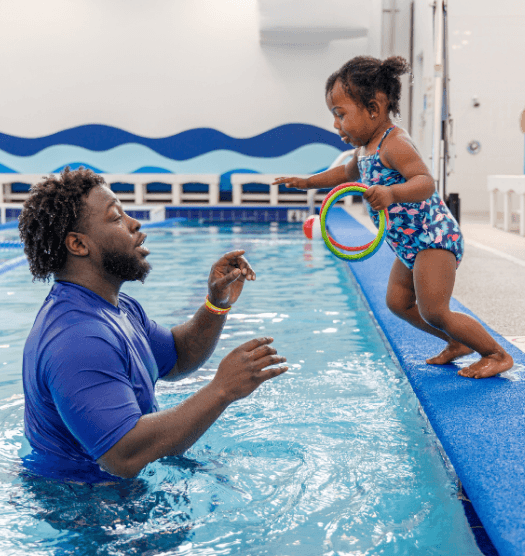
The pool itself can affect your child’s experience, particularly for babies, toddlers, and children who are hesitant about swimming. Ask about the water temperature. A comfortable pool can help younger swimmers stay focused and enjoy their time in the water.
Year-round availability can also be important for North Texas families. An indoor program makes it easier to maintain a consistent routine through fall and winter. For example, SafeSplash McKinney (Eldorado) offers year-round swim lessons in a warm-water pool. Check the pool and schedule at the location you plan to visit.
4. Look for a Clear Curriculum
One of the most useful questions to ask a swim school is “How will I know my child is progressing?” A strong curriculum should help parents understand what their child is learning, what comes next, and how skills build over time.
SafeSplash uses the 4 C’s of Progress to describe swimmer development.
- Comfortable. Swimmers become more at ease in the water and practice skills such as floating with support.
- Capable. Swimmers build foundational water safety skills and begin applying them more independently, including rolling over and getting out of the pool.
- Confident. Swimmers refine their strokes and build the endurance to swim farther.
- Competitive. Swimmers who want more advanced training work on technique, stamina, and their own performance goals.
Children develop at different rates, and their swimming goals can be very different. Competitive swimming is an option for children who enjoy it. A clear progression helps every family see what their child has learned.
5. Ask How Water Safety Is Taught
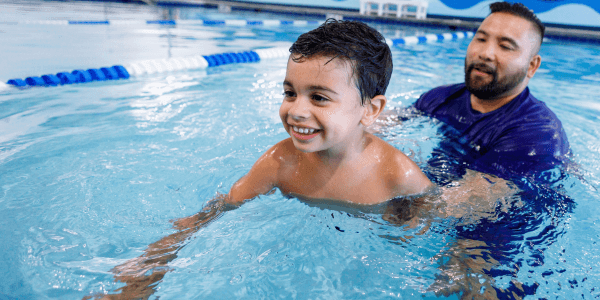
For many families, water safety is the biggest reason to enroll in swim lessons. Ask prospective swim schools how they teach water safety and self-rescue skills. Can the instructor show you how beginners practice rolling onto their backs, finding the wall, or climbing out of the pool?
No swim lesson can make a child “drown-proof.” Swim lessons are one important layer of protection. Children still need close, attentive adult supervision around water. Stay within arm’s reach of infants, toddlers, and weak swimmers. At home, a four-sided fence with a self-closing, self-latching gate helps keep children from reaching the pool on their own. On boats and in open water, children should wear properly fitted, U.S. Coast Guard-approved life jackets. The American Academy of Pediatrics’ water safety guide explains how these protections work together.
6. Choose a Convenient Schedule
DFW is a large area, and a swim school that looks close on a map may still require a significant drive during your family’s busiest times of day. When searching for swim lessons in Dallas-Fort Worth, consider your entire weekly routine. Think about your child’s school and activities, your work schedule, traffic, available lesson times, and what happens if you miss a lesson.
Consistency matters when children are learning new physical skills. Try the drive at the time you’d actually leave home or school, and ask when make-up lessons are available at your child’s level. If you’re juggling lessons and team practices, DFW Fall Fest’s guide to youth sports in Frisco has more ideas for keeping the week manageable.
7. Match the Program to Your Child’s Goals
Before choosing a swim school, think about what you want your child to get from lessons. For one family, the goal may be helping a toddler become comfortable in the water. Another may be looking for foundational water safety and independent swimming skills. An older swimmer may want to improve strokes or work toward more advanced skills.
Your child’s personality matters, too. Some children thrive in group activities, while others need extra encouragement before they feel comfortable participating. Ask how the program works with nervous, hesitant, or quickly progressing swimmers.
8. Read Reviews and Visit if You Can
Online reviews can help you narrow down your choices, particularly when comparing swim schools in different DFW communities. Look for patterns in what local families say about instructors, communication, scheduling, cleanliness, and the overall experience.
Then, if possible, visit the facility. Watching a class can help you see whether children appear engaged and whether instructors are attentive. It also gives your child a chance to see the pool and tell you how they feel about trying a lesson there.
Your Checklist for Swim Lessons in Dallas-Fort Worth
Before enrolling, ask yourself these questions.
- Are the instructors trained, patient, and supportive?
- Does the class format fit my child’s learning style?
- Is the instructor-to-swimmer ratio appropriate for my child?
- Is the pool environment comfortable for my child?
- Can the instructor explain what my child will learn next?
- Does the program teach meaningful water safety skills?
- Does the school avoid unrealistic safety promises?
- Can my family consistently make the lesson schedule?
- Is the location convenient enough for our weekly routine?
- Do local reviews support the experience the school describes?
Finding SafeSplash Swim Lessons in DFW
SafeSplash offers swim lessons at participating locations throughout the DFW area, with programs and availability varying by location. In Dallas, the North Dallas (Royal) school holds lessons inside 24 Hour Fitness. On the Fort Worth side, the Saginaw school is at 7044 N. Blue Mound Road. Use SafeSplash’s location finder to see which school fits your weekly route.
Participating SafeSplash locations also offer the S.A.F.E.R. Swimmer Promise for eligible swimmers ages 4 and older in Beginner 2 through Beginner 4 group lessons. The program focuses on 10 essential water safety and self-rescue skills. Eligible swimmers who meet weekly attendance requirements and have not passed the test within one year of qualifying may receive up to two additional months of group lessons at no cost. The extra lessons end sooner if the swimmer passes. Check the make-up and attendance rules with your location.
Frequently Asked Questions About Swim Lessons for Kids
What should I look for when choosing swim lessons in Dallas-Fort Worth?
Look for qualified instructors, an age-appropriate curriculum, a class format that fits your child, a strong focus on water safety, and a convenient schedule. Local reviews and an opportunity to observe a class can also help you find the right fit.
Are group or private swim lessons better?
Group lessons allow children to learn alongside peers, while private lessons provide more individualized attention. Consider your child’s personality, current abilities, and goals when deciding which format is best.
What if my child is nervous about swimming?
Look for a swim school that takes a patient, encouraging approach to hesitant swimmers. SafeSplash uses a progressive curriculum designed to help swimmers build comfort and skills over time. If your child is worried about putting their face in the water or letting go of the wall, ask how the instructor would help them through that first lesson.
Can swim lessons prevent drowning?
Swim lessons can reduce drowning risk, but they cannot eliminate it. Children still need close, attentive adult supervision around water, along with other layers of protection such as pool barriers and properly fitted life jackets.
When should children start swim lessons?
Many children can begin swim lessons after their first birthday, depending on their readiness. The American Academy of Pediatrics’ guide to starting swim lessons explains what to consider.
SafeSplash ParentTot classes are available at participating locations for babies and young toddlers starting as early as 4 months, with a parent or caregiver in the water. At this age, the focus is on comfort, positive experiences in the water, and introductory skills. Infant swim classes haven’t been shown to reduce drowning risk.