
By CTC Chiropractic Frisco | DFW Fall Fest Community Partner
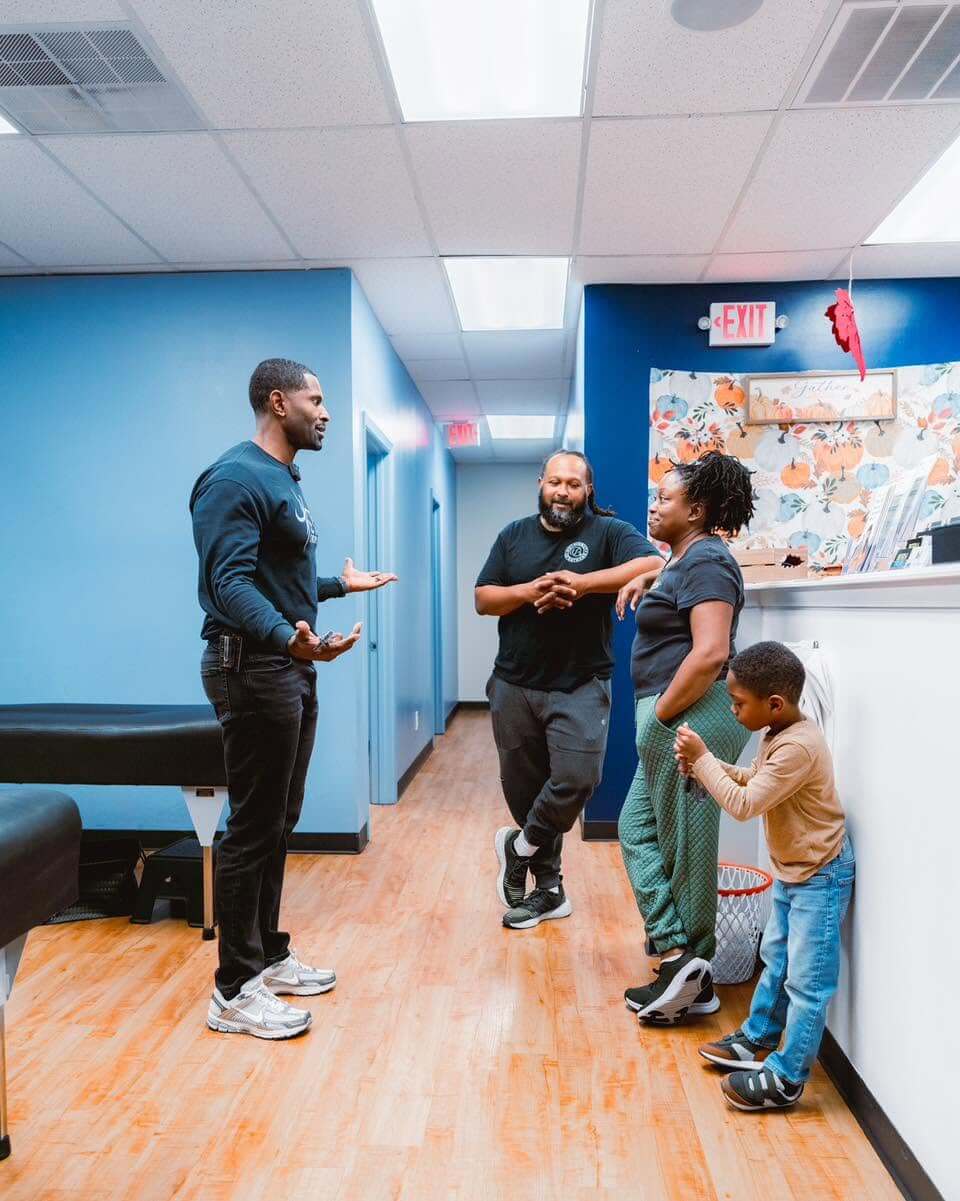
Families in Frisco are busy. Between school, sports, work, errands, workouts, church, community events, and family responsibilities, it is easy for posture and spinal health to become an afterthought. Many people do not think about their spine until they are already dealing with discomfort, stiffness, poor mobility, headaches, or recurring back and neck tension.
At CTC Chiropractic in Frisco, we believe spinal health education should be simple, practical, and helpful for the whole family. Whether you are a parent working long hours, a student carrying a backpack, a youth athlete training multiple times per week, or an active adult trying to stay healthy, your daily habits can have a major impact on how your body feels and functions.
Here are seven simple ways Frisco families can improve posture, support spinal health, and become more proactive about long-term wellness.
1. Pay Attention to Everyday Posture Habits
Posture is not just about standing up straight. It is the way your body holds itself throughout the day. This includes how you sit at work, how your child sits at school, how you look down at your phone, how you drive, how you sleep, and how you move during normal daily activities.
One of the most common posture issues today is forward head posture. This often happens when people spend a lot of time looking down at phones, tablets, computers, or schoolwork. Over time, this position can place added stress on the neck, shoulders, and upper back.
A simple place to start is by bringing screens closer to eye level, keeping shoulders relaxed, and taking breaks from long periods of sitting. Small changes repeated consistently can make a big difference.
2. Help Kids and Teens Build Better Movement Habits
Many parents think of spinal health as an adult issue, but kids and teenagers can also develop posture and movement problems. Students spend hours sitting in classrooms, looking down at devices, carrying backpacks, and participating in sports or extracurricular activities.
For youth athletes, repetitive movements can create added stress on the body. Sports like football, soccer, basketball, volleyball, cheer, baseball, wrestling, and gymnastics can all involve running, jumping, twisting, impact, or repeated strain. While activity is a good thing, young athletes also need recovery, mobility, and proper body awareness.
Parents can help by watching for uneven posture, recurring soreness, changes in movement, complaints of back or neck discomfort, or one shoulder sitting higher than the other. These signs do not always mean something serious is happening, but they are worth paying attention to.

3. Create a Better Desk and Work Setup
Many adults in Frisco spend a large part of the day sitting at a desk, working from home, driving, or using a laptop. Poor desk posture can contribute to stiffness, fatigue, and tension, especially in the neck, shoulders, and lower back.
A better setup does not have to be complicated. Try keeping your screen at eye level, your feet flat on the floor, and your shoulders relaxed. Avoid leaning forward toward the screen for long periods of time. If you work from a laptop, consider using a laptop stand, separate keyboard, or external monitor when possible.
It also helps to stand up and move regularly. Even a short walk, quick stretch, or posture reset every 30 to 60 minutes can help reduce stress from prolonged sitting.
4. Make Mobility Part of the Family Routine
Spinal health is not only about avoiding pain. It is also about helping the body move well. Mobility is the ability to move joints and muscles through a healthy range of motion. When mobility is limited, the body may compensate in other areas, which can lead to tightness, soreness, or inefficient movement.
Families can build mobility into daily life with simple habits. Stretch for a few minutes in the morning. Take a family walk in the evening. Encourage kids to warm up before sports and cool down afterward. Adults can add basic movement breaks throughout the workday.
The goal is not perfection. The goal is consistency. A few intentional minutes each day can help families become more aware of how their bodies are moving and feeling.
5. Do Not Ignore Early Warning Signs
Many people wait until pain becomes disruptive before they seek help. However, the body often gives early warning signs before a problem becomes more frustrating.
Common signs of spinal stress may include recurring neck tension, lower back tightness, headaches, stiffness after sitting, uneven posture, reduced mobility, soreness after normal activity, or discomfort that keeps returning. These symptoms can have many causes, but they are worth paying attention to instead of brushing them off.
Being proactive does not mean overreacting. It means asking better questions and getting more information about what your body may be communicating.
6. Prioritize Recovery After Sports, Workouts, and Busy Weeks
Frisco is full of active families. Many kids are involved in competitive sports, and many adults are committed to fitness, running, lifting, group training, or recreational activities. Movement is important, but recovery matters too.
Recovery includes sleep, hydration, stretching, proper warm-ups, rest days, and paying attention to soreness that does not improve. For athletes and active adults, spinal health can play an important role in movement quality, posture, and body mechanics.
If a child or adult consistently feels tight, uneven, or restricted after activity, it may be helpful to have their posture and spinal health checked. The earlier families become aware of movement patterns, the easier it can be to address them.
7. Get a Professional Posture and Spinal Health Check
One of the best ways to better understand your spinal health is to get a professional evaluation. A posture screening or spinal health check can help identify areas of imbalance, stress, or poor alignment that may not be obvious in everyday life.
At CTC Chiropractic in Frisco, we help families, athletes, professionals, and active adults better understand their posture, mobility, and spinal health. Our goal is to provide education, clarity, and personalized care recommendations based on each person’s needs.
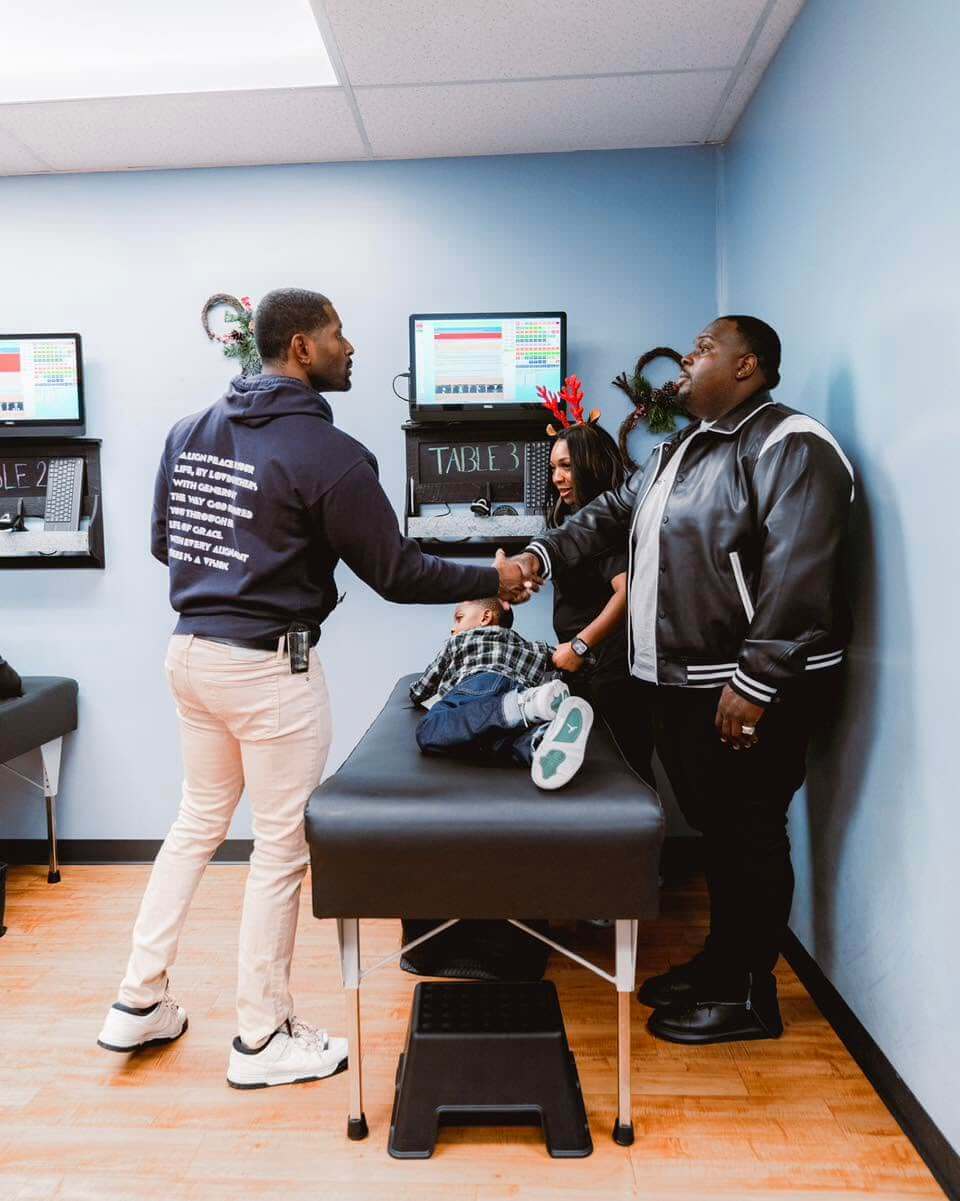
We also participate in community events where we offer complimentary posture screenings, bilateral weight distribution scans, and spinal health education. These screenings are designed to help people become more aware of how their body is carrying stress and where they may benefit from additional support.
Why Spinal Health Matters for Frisco Families
Spinal health impacts more than just the back. It can influence posture, mobility, comfort, movement, and overall quality of life. For families, this matters because everyday habits compound over time.
A child who spends years looking down at a device, an athlete who trains through tightness, or an adult who sits at a desk all day may begin to notice patterns in how their body feels. The sooner families learn how to care for their posture and movement, the more proactive they can be about their wellness.
Frisco families do not need complicated routines to start making progress. They need awareness, consistency, and the right support.
Visit CTC Chiropractic in Frisco
CTC Chiropractic is proud to serve the Frisco community through personalized chiropractic care, posture education, spinal health resources, and community wellness events. Whether you are dealing with recurring discomfort, trying to improve mobility, or simply wanting to better understand your posture and spinal health, our team would be happy to help you take the next step.
If you are looking for a Frisco chiropractor focused on families, athletes, professionals, and active adults, CTC Chiropractic is here to serve you.
This article is for general educational purposes and is not a substitute for individualized medical advice, diagnosis, or treatment. Consult a qualified healthcare professional about specific health concerns.