
In today’s fast-moving world, strong communication skills are more important than ever. While knowledge and grades matter, the ability to speak clearly, persuade effectively, and think critically is what truly sets students apart. Children who learn how to share their ideas confidently are better prepared for school, higher education, and future leadership opportunities.
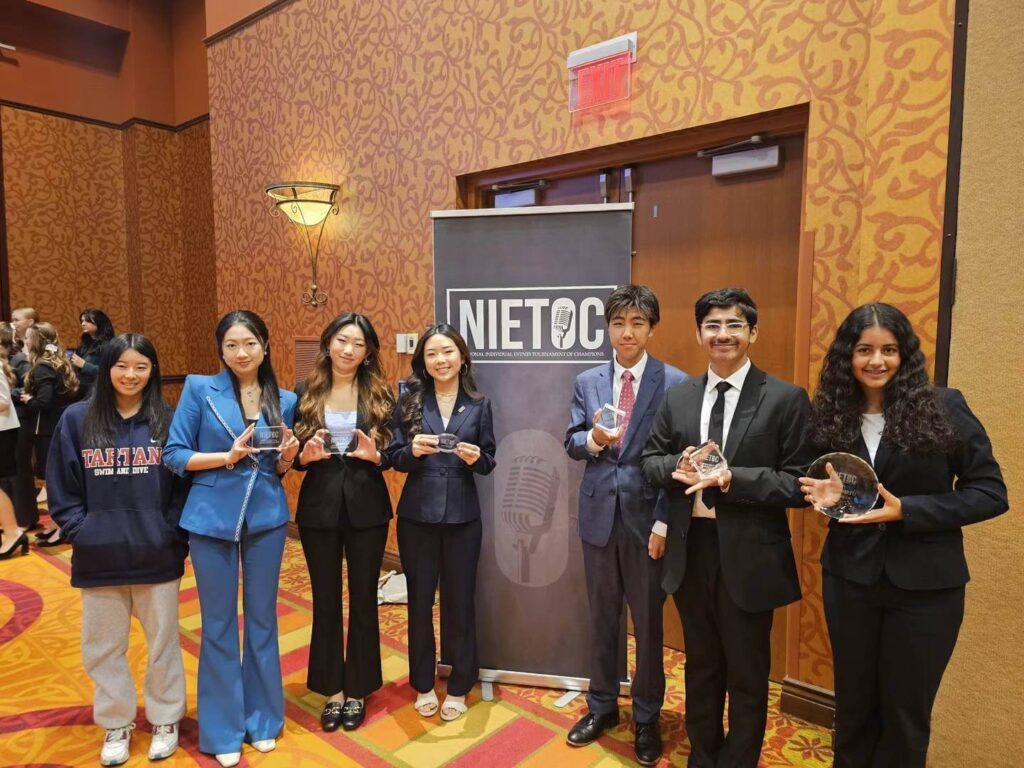
Two of the most effective ways to develop these abilities are through public speaking and debate. Although similar in that both involve speaking in front of others, these activities nurture different yet complementary skills. Together, they prepare kids and teens not just to succeed academically, but to thrive in every area of life.
What Is Public Speaking?
Public speaking is the art of presenting ideas with clarity and confidence. For children and teens, public speaking may look like:
- Classroom presentations
- Storytelling exercises
- Impromptu speeches
- Formal speech competitions
The purpose of public speaking is not just to talk—it’s to inform, inspire, and connect with an audience. By practicing public speaking, kids learn to manage nerves, express themselves clearly, and communicate ideas that matter.
What Is Debate?
Debate is a structured discussion where participants argue for or against a given topic. Unlike casual arguments at home, debate requires research, preparation, and active listening.
In a debate, students learn to:
- Research and gather supporting evidence
- Build strong, logical arguments
- Think critically about different perspectives
- Respond quickly and respectfully under pressure
The real value of debate is not in “winning” but in learning to think critically, communicate persuasively, and respect opposing viewpoints.
Benefits of Public Speaking for Kids and Teens
1. Builds Confidence
Standing in front of an audience—even a classroom of peers—teaches children to face their fears. Over time, they learn to trust their own voice and grow more comfortable sharing their thoughts.
2. Improves Organization Skills
Public speaking requires students to structure their ideas clearly. They learn to craft introductions, body points, and conclusions, a skill that transfers to essays, projects, and everyday conversations.
3. Strengthens Everyday Communication
From chatting with teachers to presenting group work, public speaking builds communication skills that carry into daily life, helping kids succeed both academically and socially.
4. Enhances Leadership Potential
Great leaders are strong communicators. Public speaking lays the foundation for children who want to take on roles in student government, clubs, or even future professional leadership.

Benefits of Debate for Kids and Teens
1. Sharpens Critical Thinking
Debaters must look at an issue from multiple angles, analyze evidence, and evaluate strengths and weaknesses. This kind of thinking builds strong problem-solving skills.
2. Develops Persuasion Skills
The ability to convince others with facts and logic is a powerful skill. Debate helps children learn how to craft arguments that are both convincing and respectful.
3. Encourages Respectful Listening
Debaters must listen carefully to what opponents say before responding. This nurtures empathy, patience, and an understanding that multiple viewpoints can coexist.
4. Prepares for Academic and Career Success
From college essays to job interviews, the ability to think on your feet and communicate under pressure sets students apart in nearly every field.
Why Public Speaking and Debate Work Best Together
While each skill is valuable on its own, public speaking and debate complement one another beautifully:
- Public speaking builds confidence, poise, and clarity.
- Debate builds critical thinking, analysis, and persuasion.
Together, these skills help students grow into well-rounded communicators who can present ideas, defend positions, and collaborate effectively.

How Families Can Support Public Speaking and Debate at Home
Parents and caregivers play a key role in nurturing these skills. Here are some fun and practical ways to encourage growth:
- Practice storytelling: Ask your child to share a story about their day with a clear beginning, middle, and end.
- Host mini-debates: Choose lighthearted topics like “Should ice cream be eaten for breakfast?” or “Which superhero is the best?”
- Ask ‘why’ questions: Encourage your child to explain the reasoning behind their opinions.
- Celebrate effort, not perfection: Focus on participation and growth rather than flawless delivery.
- Model communication skills: Share your own thought process and practice active listening with your child.
The Lifelong Impact of Public Speaking and Debate
The skills kids gain from public speaking and debate go far beyond school. They prepare young people for:
- Academic success: Strong presentations, persuasive essays, and leadership in group projects.
- College readiness: Confident interviews and the ability to advocate for themselves.
- Career advancement: Clear communication, leadership, and problem-solving abilities.
- Personal growth: Improved confidence, empathy, and resilience in everyday life.
Preparing Kids for a Bright Future
Public speaking and debate are not just extracurricular activities—they are life skills. Children who learn them develop the confidence to share ideas, the clarity to communicate effectively, and the critical thinking needed to solve complex problems.
Whether your child dreams of becoming a teacher, lawyer, business leader, or artist, these skills provide an unshakable foundation for lifelong success.
Encourage your child to embrace opportunities for public speaking and debate, and watch them grow into a confident communicator and leader who will stand out wherever life takes them.
