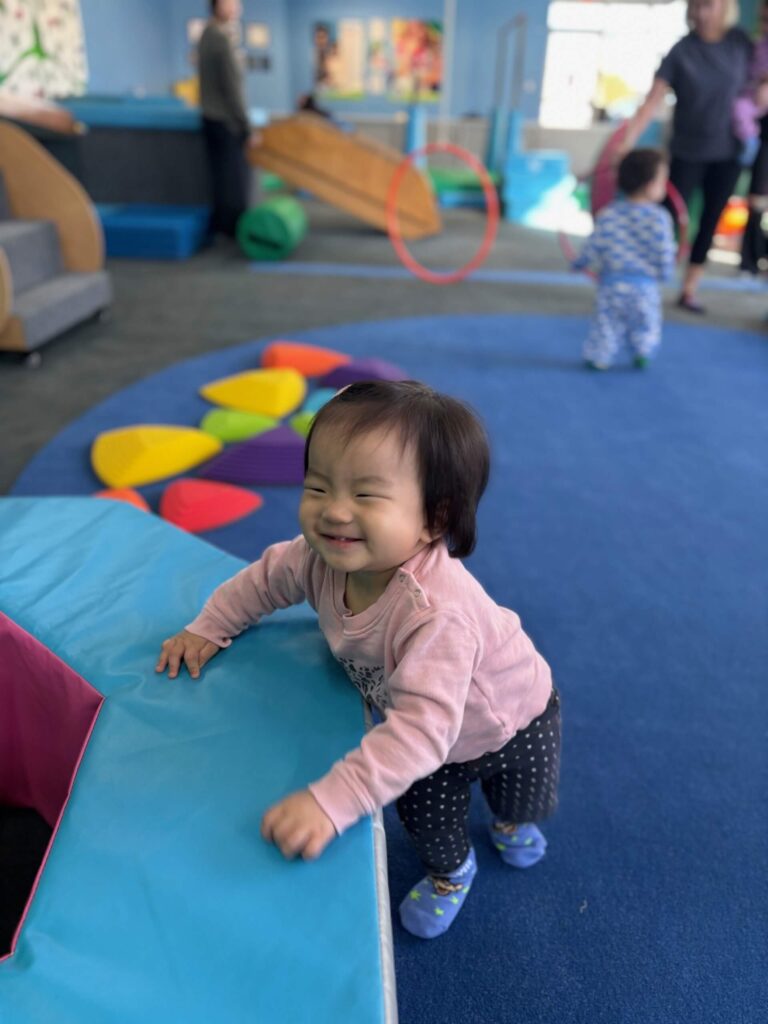
Why Physical Play Is More Than Just “Fun”

In today’s screen-filled world, movement-based learning is more essential than ever. Children now spend an average of 5–7 hours per day on screens. While educational apps and videos can have their place, nothing compares to the impact of hands-on, real-world movement—and the long-term developmental benefits it brings.
When kids move with intention—whether they’re running, climbing, balancing, or swinging—they’re doing more than just playing. They’re building the physical and cognitive foundation for future learning and success.
1. Brain and Body Development
Movement activates the vestibular (balance) and proprioceptive (body awareness) systems, which are critical for coordination, posture, and spatial understanding. These systems also help children sit still, focus in class, and regulate their emotions.
For example, activities like balancing on a beam or swinging on bars stimulate areas of the brain linked to attention, focus, and memory. The more children move, the stronger these neural connections become—helping them excel not only on the playground but also in the classroom.
2. Real-Time Problem Solving
When children face a physical challenge—like figuring out how to cross a wobbly balance beam or navigate an obstacle course—they use critical thinking and motor planning in real time. Each decision, whether to jump, climb, or stretch, builds resilience and problem-solving skills.
These small challenges empower children to build confidence and independence. Over time, this ability to adapt and solve problems in motion translates into stronger decision-making skills in school, friendships, and everyday life.
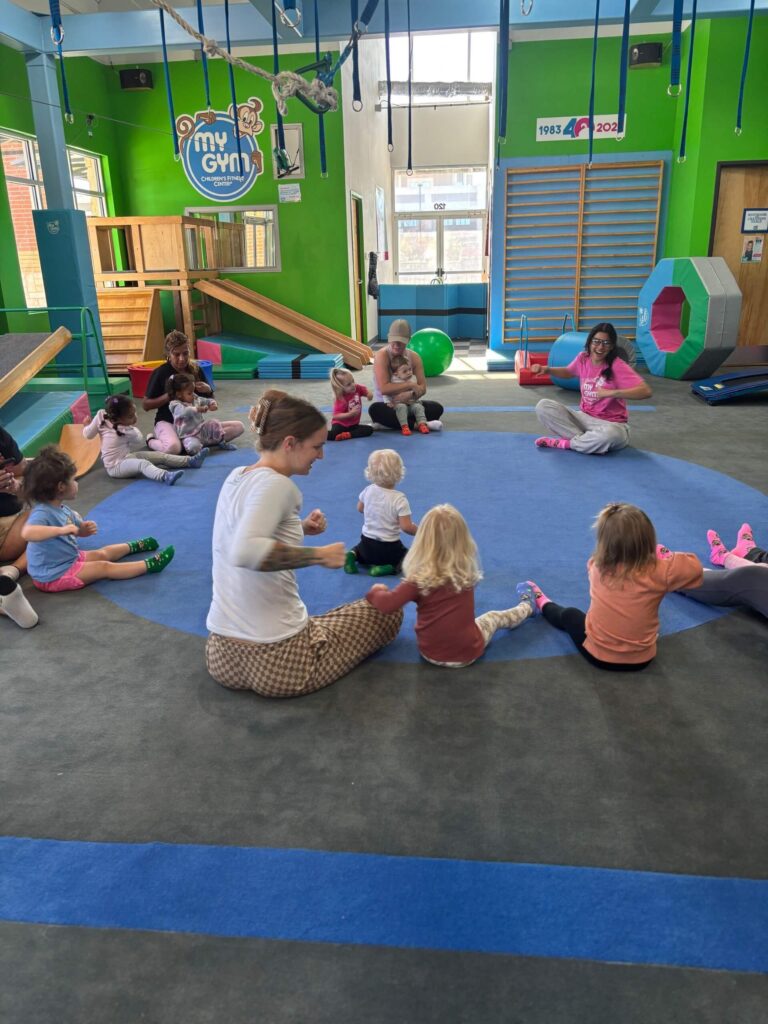
3. Strength and School Readiness
Core strength, posture, and muscle control play a surprisingly large role in school success. Activities that strengthen the core help children sit upright at their desks, hold a pencil properly, and sustain focus during lessons.
Kids who lack physical readiness often struggle with handwriting, stamina in class, or even sitting still during circle time. By supporting physical development through play-based movement, parents can set their children up for smoother academic transitions.
The Importance of Unplugged Learning
As much as screens have become a part of modern family life, it’s important to carve out unplugged, active learning opportunities. Even short bursts of movement each day—whether it’s 15 minutes in the backyard, a quick dance party in the living room, or structured play at a children’s gym—lead to noticeable improvements in behavior, attention span, and physical well-being.
Not every household has the space (or energy) to create obstacle courses at home—and that’s where structured movement programs can make all the difference.
What Makes a Great Movement Program for Kids?
If you’re considering enrolling your child in a movement-based program, here are a few key elements to look for:
- ✅ Age-Appropriate Classes – Programs designed for developmental stages, not just “one size fits all.”
- ✅ Focus on Milestones – Opportunities for kids to build skills step by step.
- ✅ Opportunities for Social Growth – Movement programs that encourage teamwork, cooperation, and making friends.
- ✅ Safe, Supportive Spaces – Environments where kids feel encouraged, not pressured.
A well-structured program combines all these elements into an engaging experience that motivates kids to keep moving.
Movement Should Feel Like Play With Purpose
Children thrive when movement feels fun, not like “exercise.” That’s why the best programs use play-based approaches such as gymnastics, ninja-style obstacle training, high-energy dance, and imaginative games.
This balance of fun and structure means children don’t just move—they grow stronger, think faster, and shine brighter. In group settings, they also gain the added benefit of teamwork, cooperation, and encouragement from peers.
When kids are moving, laughing, and exploring in spaces designed just for them, amazing things happen: their bodies grow strong, their brains develop sharper focus, and their confidence soars.
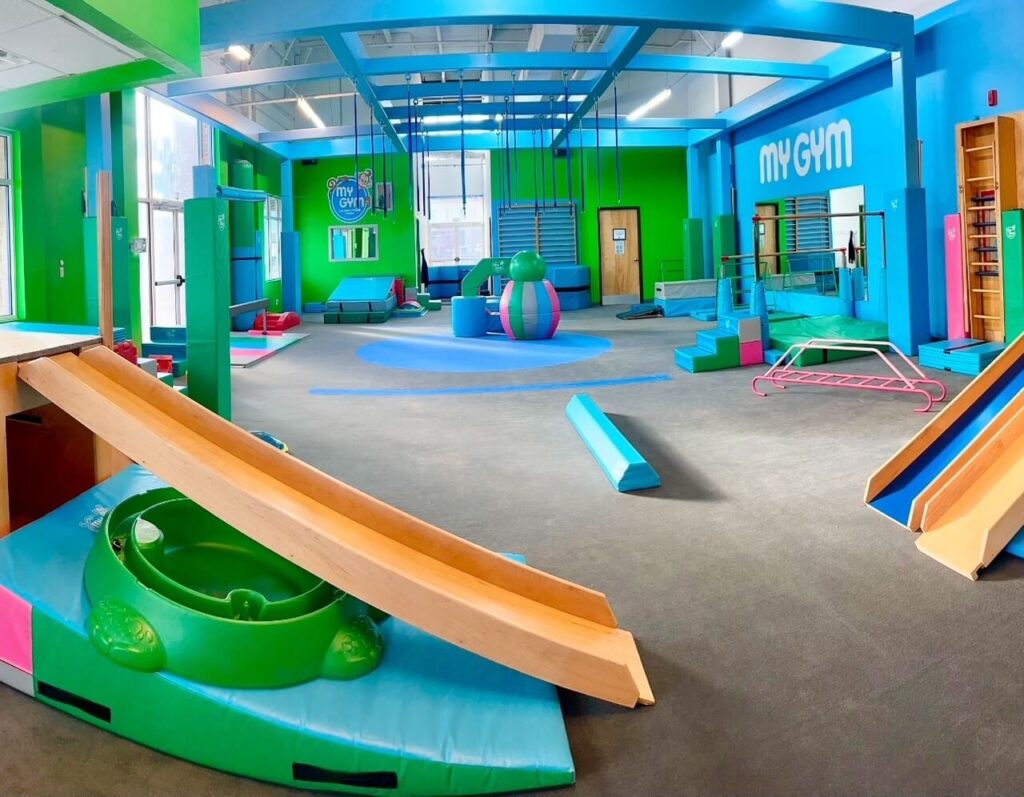
The Takeaway: Movement Is Learning
Movement is not just physical activity—it’s brain-building, confidence-boosting, and readiness-preparing. In today’s digital age, unplugging from screens and engaging in intentional play is one of the most powerful choices parents can make for their children’s growth.
Whether at home or through structured programs like gymnastics or children’s fitness classes, investing in real-world movement pays off in healthier, happier, more capable kids.
About the Author
My Gym Frisco and My Gym Plano are locally owned children’s fitness centers specializing in age-appropriate classes and camps for kids ages 6 weeks to 10 years old. With programs that combine movement, music, learning, and laughter, My Gym helps children grow physically, socially, and emotionally in a fun, supportive environment.